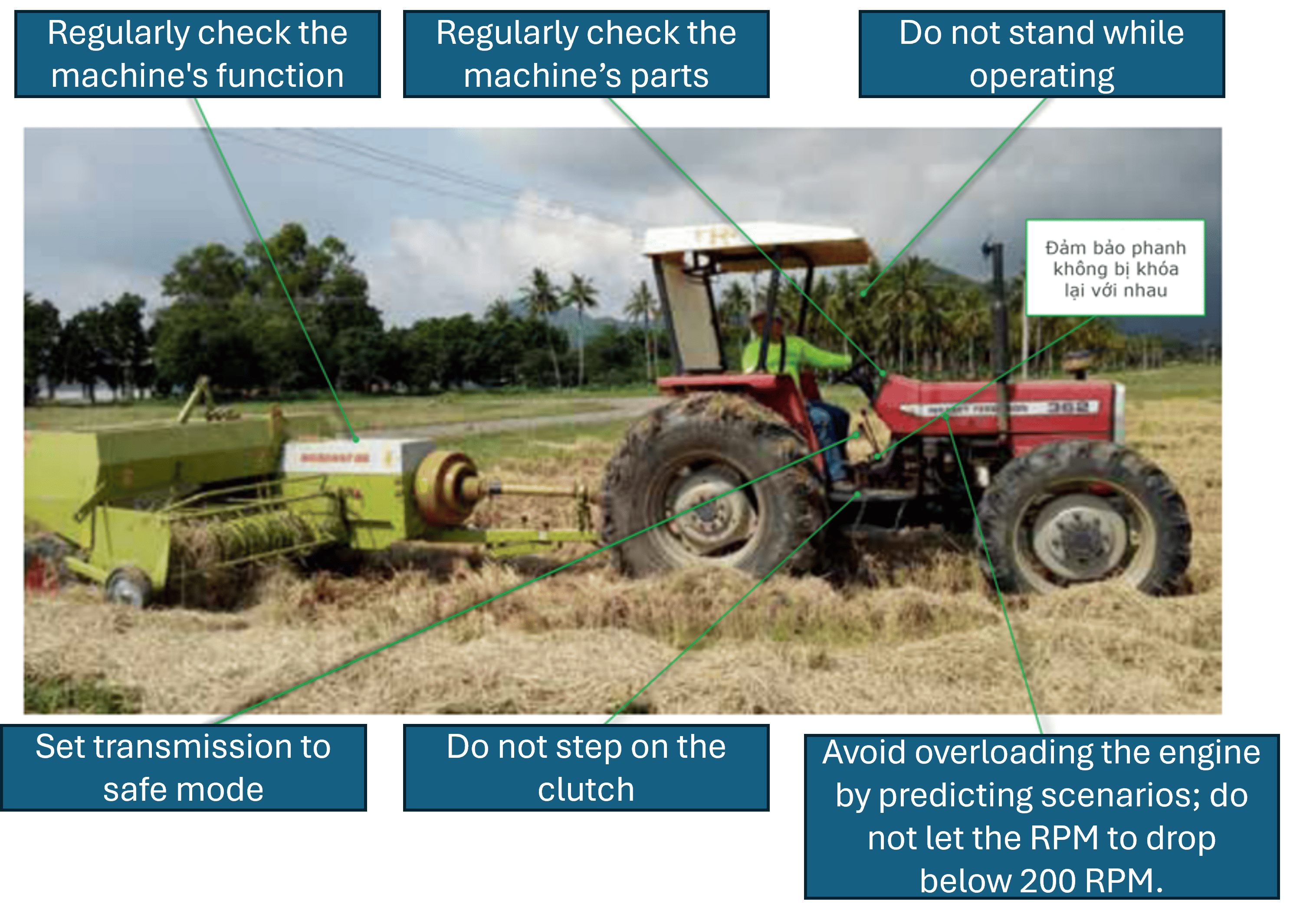
Operating Procedures: A Round Baler
1. Tractor-Mounted Baler
Tractor power is measured in horsepower (HP) and is selected based on the size or type of baler. Therefore, a mini round baler (STAR MRB 0850B) and a medium square baler (CLAAS Markant 55) will be used as examples.
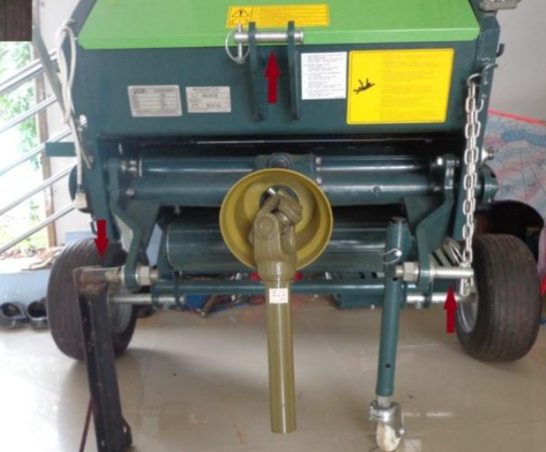
The baler’s three-point linkage connects to the fixed left, adjustable right, and top links.
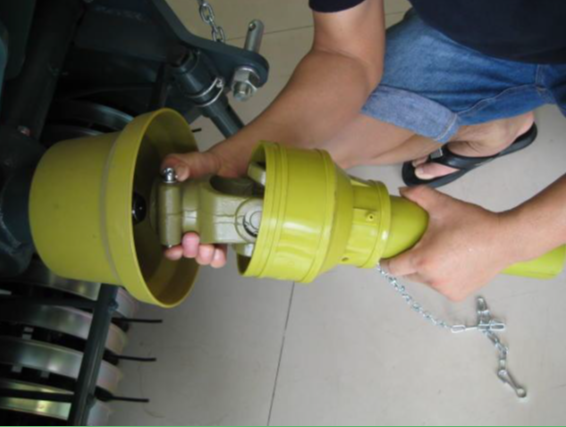
Connect the PTO drive shaft to the tractor’s power take-off (PTO) shaft. The PTO shaft at the front of the baler links to the PTO shaft on the tractor.
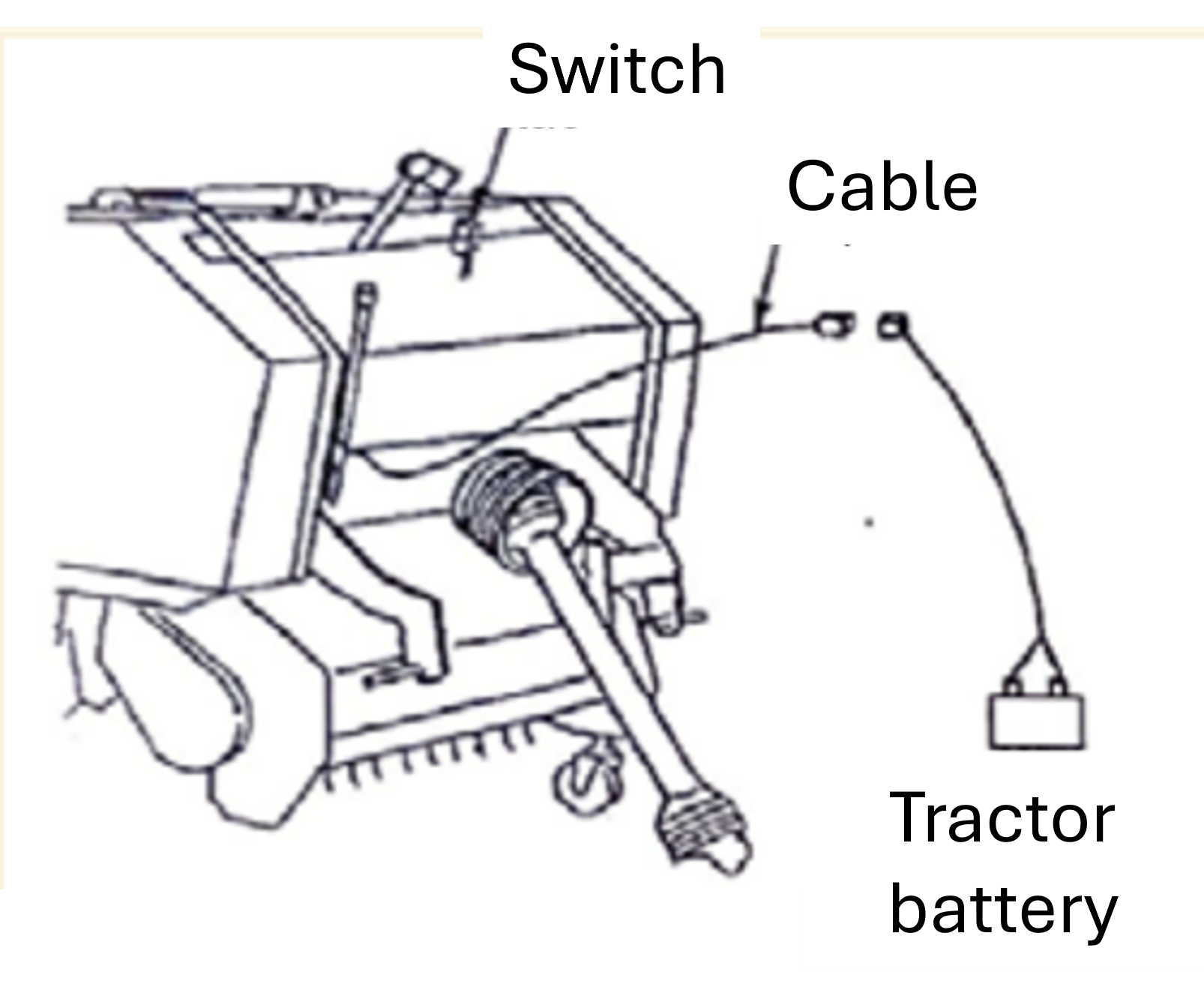
The simplified example demonstrates how to connect the signal device (horn). Connect the signal device’s wires to the tractor’s battery (12 volt). Then, set the signal device in an appropriate area for machine functioning.
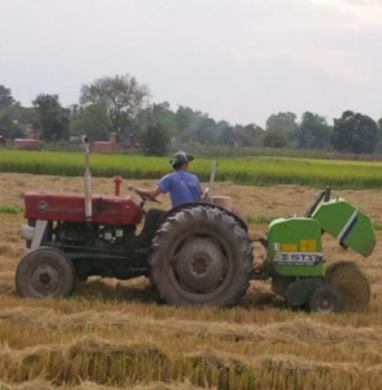
The STAR MRB 0850B is mounted on the tractor and ready for use. Once the three-point hitch is linked and the PTO shaft is plugged in, the baler will begin to operate.
2. How to mount the CLAAS Markant 55 Baler to the tractor
Before mounting the baler to the tractor, eliminate the spaces between the tying wire device’s star gears and lubricate all moving parts. In addition, verify that the pickup reel and rollers are properly tensioned, adjust as needed, and lubricate them on a regular basis.
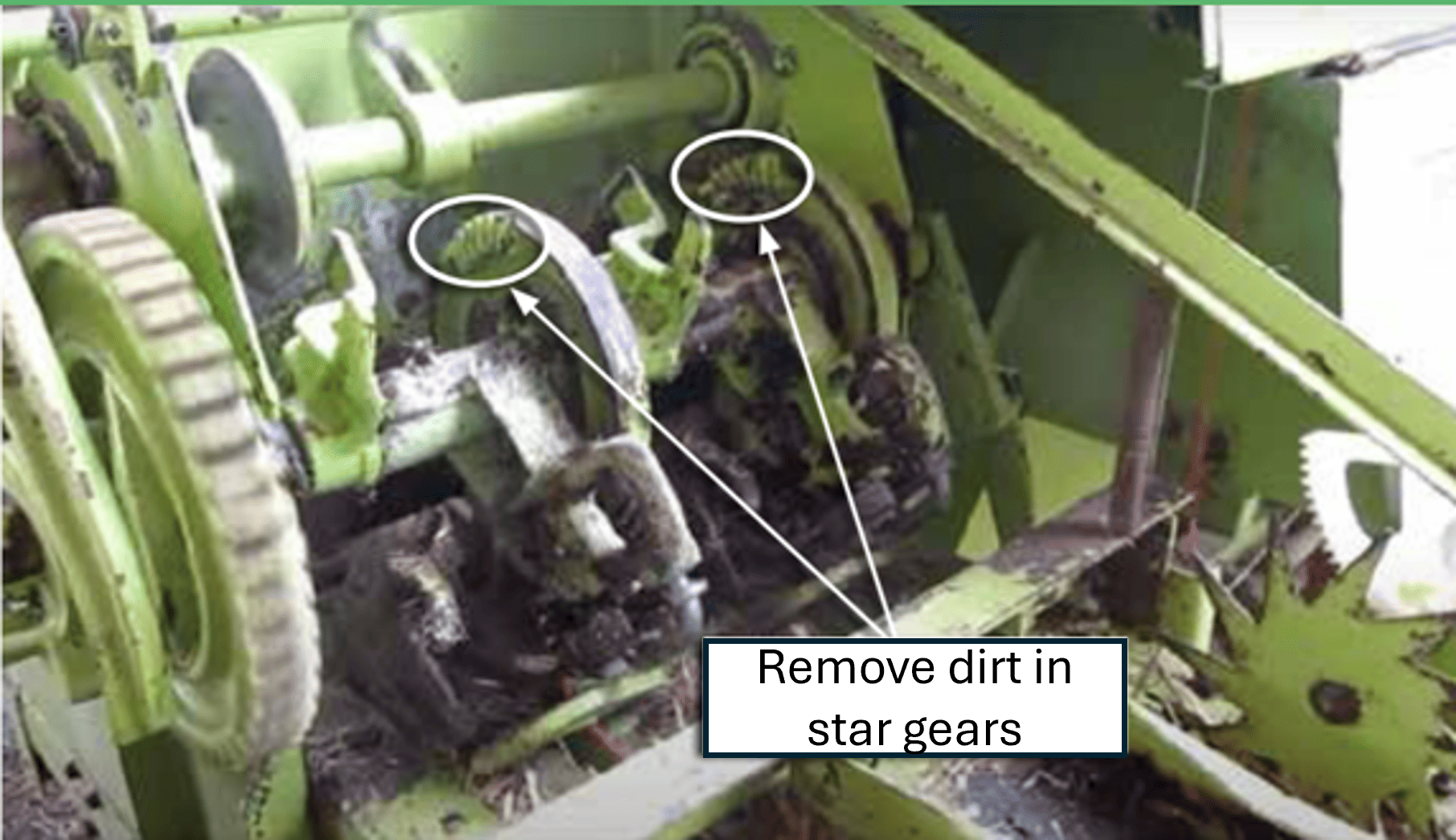
- Use a tractor with sufficient horsepower (at least 60 HP) to operate this machine.
- Mount the baler to the tractor and use the R-clip to secure the drawbar hitch pin to the quarter turn and the rollover protection bar.
- Then, connect the baler’s PTO drive shaft to the tractor’s PTO shaft and close the compression chamber.
- Before reconnecting the PTO shaft, make sure to clean and lubricate all of its parts.
- Before threading the twine, fully engage the twine tying system’s safety catch.
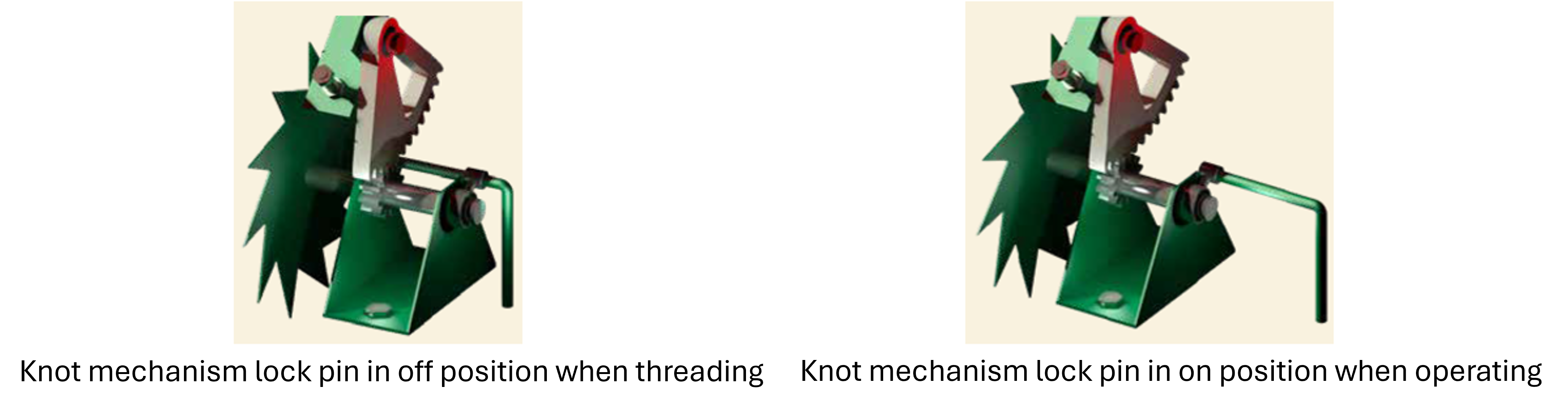
- Load six spools of twine into the twine box, then hang the outside end of one spool to the inside end of the next to ensure continuous string feeding.
- Switch the drawbar from transport to working mode.
- Block the baler’s right wheel, allowing the operator to draw the twine while slowly driving the tractor ahead until the locking pin contacts with the hole within a quarter turn.
- Adjust the pickup height so that the pick up reels are 20-30 mm off the ground.
- Adjust the bale density based on the condition of the straw in the field.
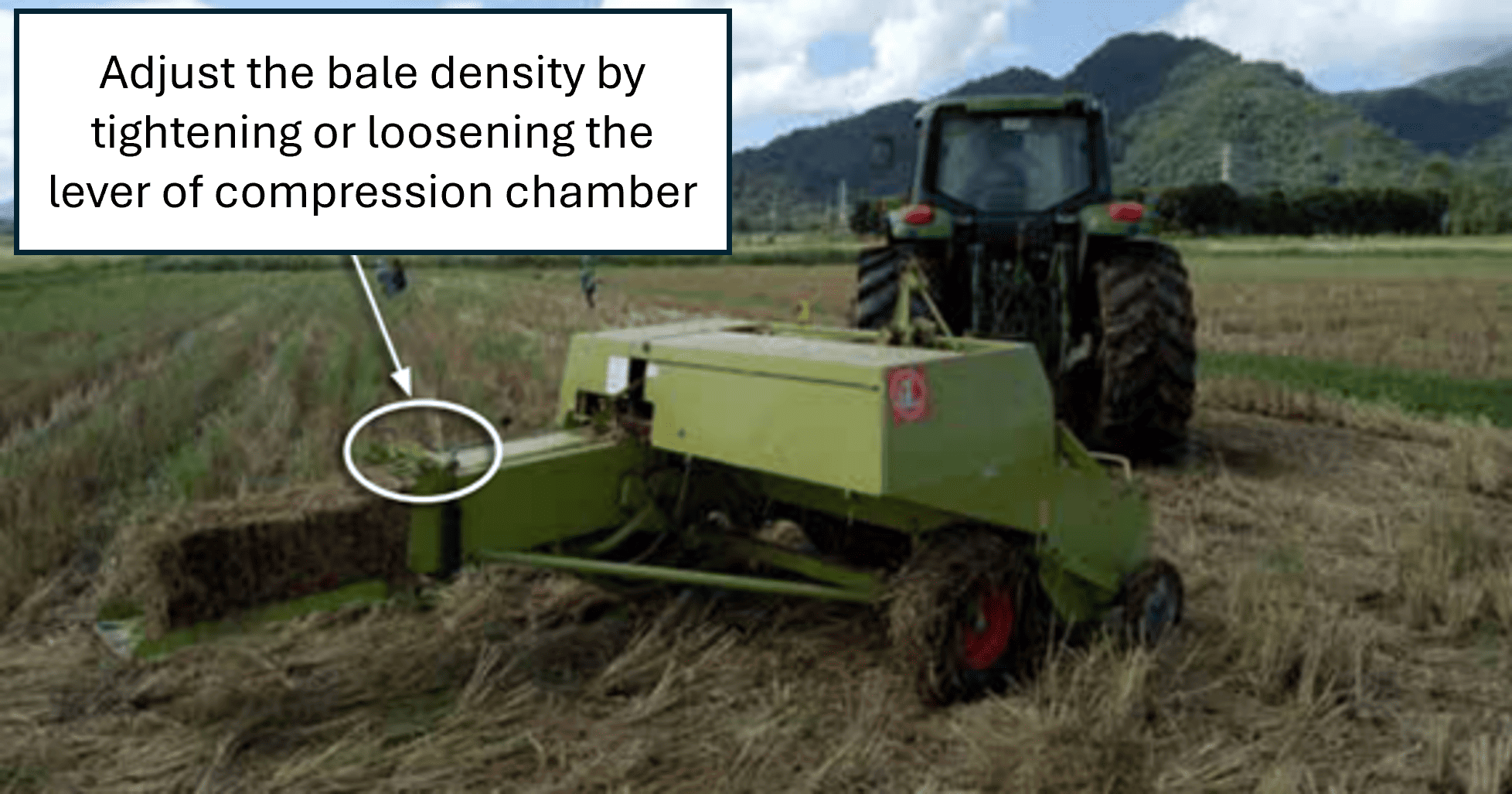
3. Pre-Operational Checks and Maintenance
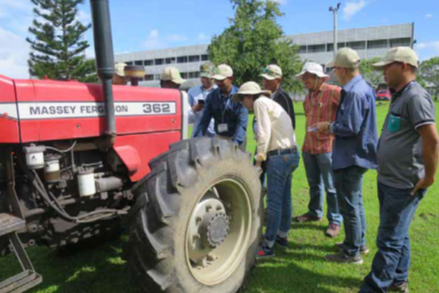
Before using the machine, check for water, oil, lubricants, tire pressure, and other elements.
4. Safely Starting and Stopping A Tractor
- Before starting the tractor, the operator must be familiar with the safe start and stop procedures.
- When field work is over or the tractor needs to be halted for repairs or inspections, follow these steps to ensure a safe stop:

- If it is not possible to halt at a safe spot, adequate backup measures should be in place.
- Before starting the engine, make sure that the working circumstances are safe. This involves inspecting the brakes, steering, and other control systems. Also, ensure that the tractor’s functioning does not jeopardize anyone nearby.
5. Field Operation
Some suggestions for safe tractor operation in the field