
Seed drying
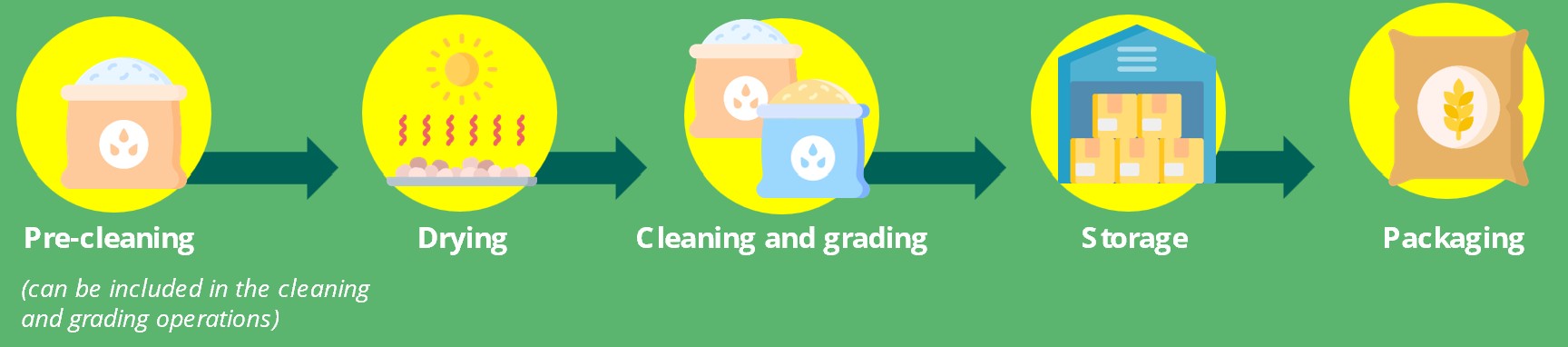
Seed processing includes the following basic processes:
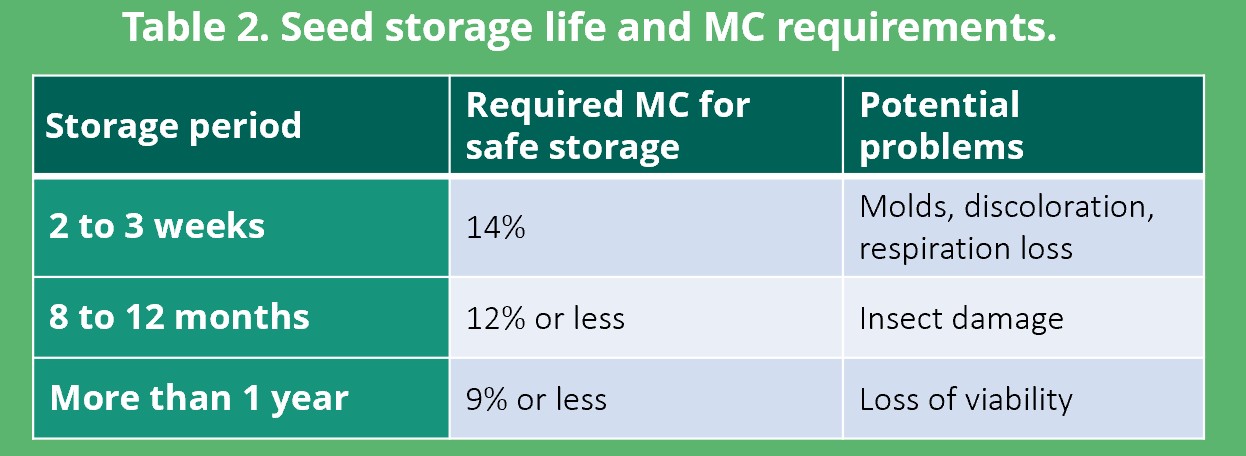
Rice seed should be dried to less than 14% moisture as soon as possible after threshing. When seed is to be stored for long periods, it should be dried to 12% or less and preferably placed in a sealed container.

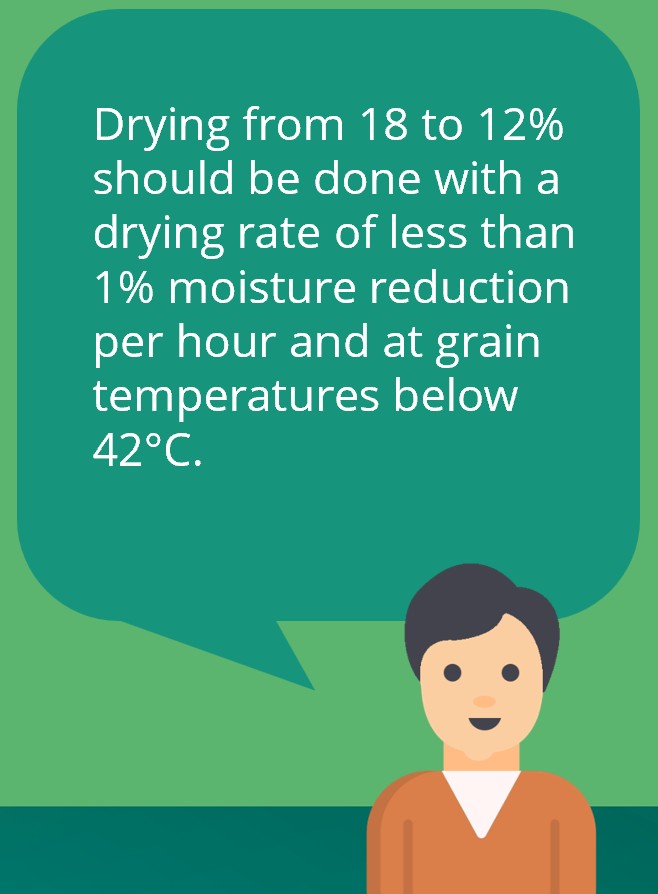
Drying and tempering the grain a number of times during the drying process will maintain seed quality. This means drying the grain on a drying pad for a number of hours or in the grain dryer to approximately 18% MC and then tempering the seed by allowing it to cool down for a number of hours in a bin or in the bag. This process should be repeated at least a couple of times until the grain reach 14% moisture or less.
1. Sun drying
Sun drying is not encouraged as it causes high losses due to uncontrolled temperature and birds. In the case that only sun drying is available, the following aspects should be noted:
- The seed should be spread in thin layers (2–4 cm) on the pad or floor and be turned and stirred every 30 minutes.
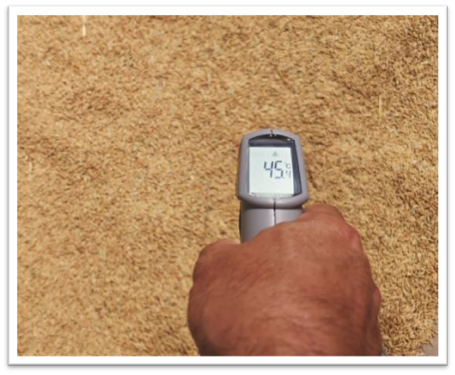
- Temperatures on drying pads can exceed 45°C (Fig. 7) during the day and this can cause seed damage. To reduce damage, the seed may need to be shaded during the very hot times of the day or time of exposure of the seeds to the sun should be reduced
2. Mechanical drying

Widely used machines for rice seed drying are the solar bubble dryer (SBD), different types of flatbed dryers (FBD), and recirculating batch dryers (columnar dryers). There is also a new dryer that combines in-stored drying and hermetic storage, called GrainSafe™ Dryer (GSD) developed by IRRI (Gummert et al. 2018).
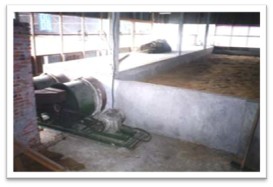 Flatbed dryers
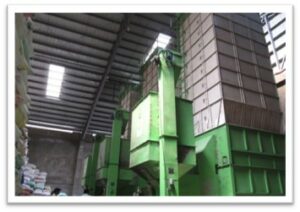 Recirculating batch dryers
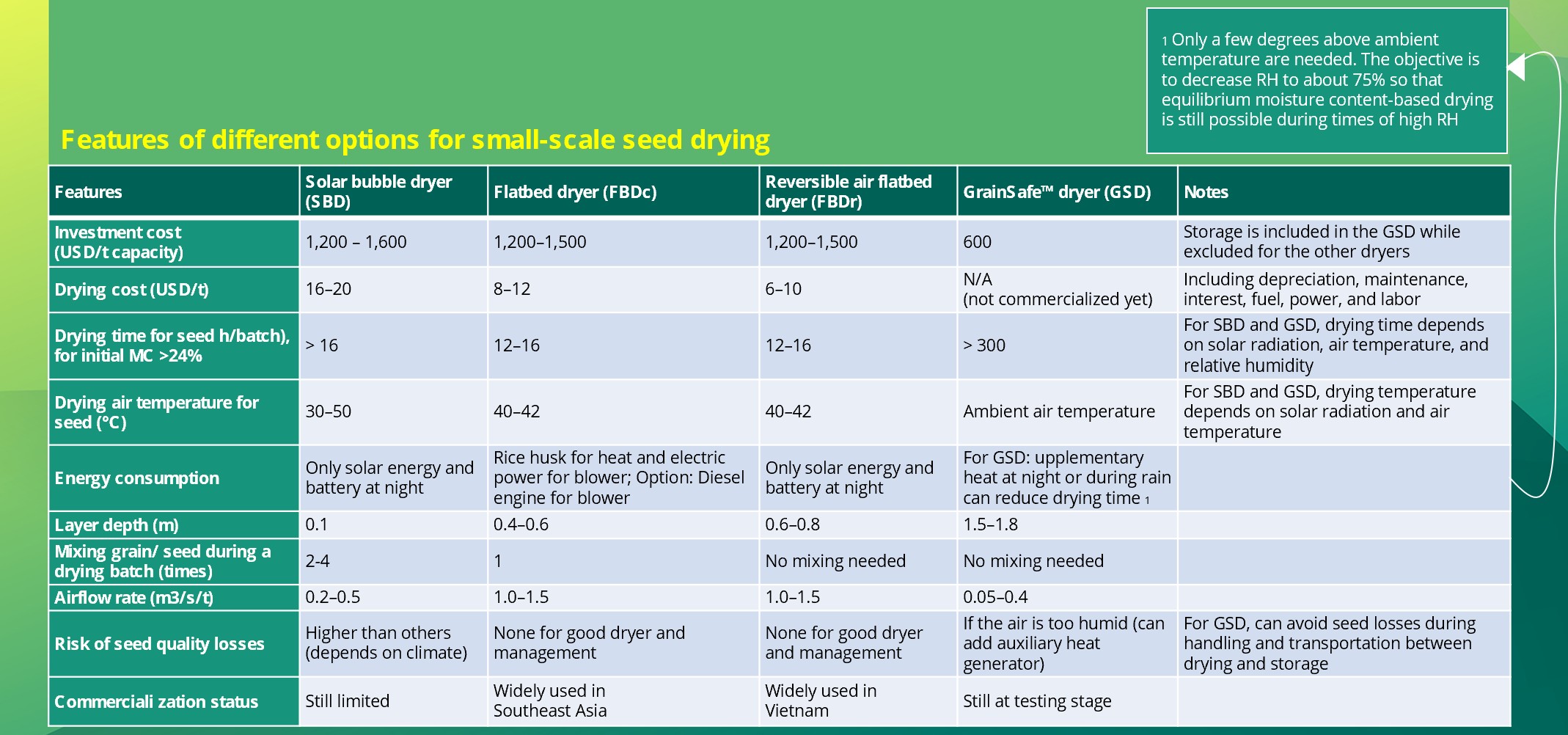
When drying seeds in mechanical heated-air dryers the following guidelines must be followed:
- Drying temperature: 40–42°C.
- Ensure proper airflow rate. For example, static pressure at 300–400 Pascal at a bulk depth of 30–40 cm will result in the required airflow rate of 1.2 m3/s/t or an approximate air velocity of 0.2m/s through the grain bulk. This is the essential factor for seed drying using flatbed dryers.
- For deep-bed or in-instore drying, which is usually followed by storage in the drying bin, equilibrium moisture content is an important factor to avoid seed rewetting and damage.
3. Equilibrium moisture content (EMC)
In storage, the final MC of the seed depends on the temperature and relative humidity of the air that surrounds the grain. The final grain MC resulting from storage is called the EMC.
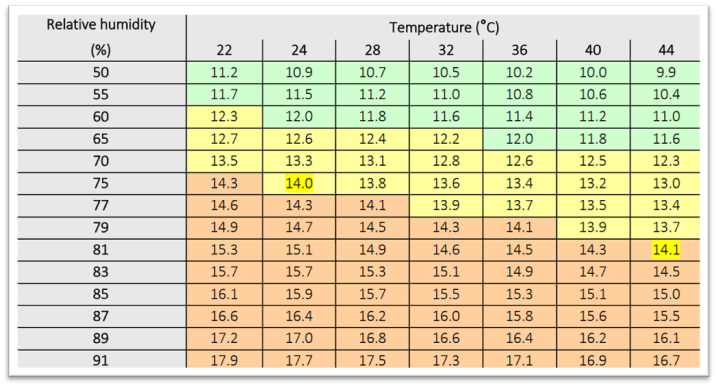
The colored areas represent the different conditions under which seed is safe for medium-term storage (green) and short-term storage (yellow). The orange areas are not safe for seed storage. If the grain is not protected against humidity in the air, particularly during the rainy season when the relative humidity may reach 95–100%, seed MC will raise leading to quality deterioration.